INFORMATION PURPOSES ONLY
 NAME: CIVET
 SCIENTIFIC NAME: CIVETTICTIS CIVETTA
 WEIGHT: 13.2KG (M) 20KG (F)
 LIFESPAN: 12 YEARS
 ENEMY: LION, LEOPARD, PYTHON

NAME: CIVET
SCIENTIFIC NAME: CIVETTICTIS CIVETTA
WEIGHT: 13.2KG (M) 20KG (F)
LIFESPAN: 12 YEARS
ENEMY: LION, LEOPARD, PYTHON
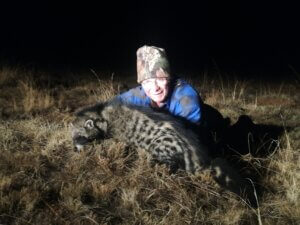
Appearance: Civets have a long, slender body with short legs and a pointed muzzle. They typically have a sleek coat of fur that can range in color from grayish to brownish, with spots or stripes along their body, depending on the species. Some species also have a distinctive facial mask pattern around their eyes. Civets have a long, bushy tail, which they often use for balance while climbing or walking.
Size: Civets vary in size depending on the species, but they generally measure between 40 to 70 centimeters (16 to 28 inches) in length, excluding the tail. Their tails can add an additional 30 to 60 centimeters (12 to 24 inches) to their overall length. Civets typically weigh between 2 to 6 kilograms (4.4 to 13.2 pounds), with males being slightly larger than females.
Habitat: Civets are found in a wide range of habitats, including forests, grasslands, scrublands, and agricultural areas throughout Africa, Asia, and parts of southern Europe. They are adaptable animals and can thrive in both rural and urban environments.
Behavior: Civets are nocturnal and primarily solitary animals, although they may occasionally be seen in pairs or small family groups. They are agile climbers and spend much of their time in trees, where they hunt for food and seek shelter. Civets are known for their strong scent glands, which they use to mark their territory and communicate with other civets.
Diet: Civets are omnivorous, feeding on a variety of foods including fruits, insects, small mammals, birds, eggs, and occasionally carrion. They are skilled hunters and foragers, using their keen sense of smell and sharp claws to locate and capture prey.
Reproduction: Breeding among civets can occur throughout the year, although peak mating seasons may vary depending on the species and region. After a gestation period of around two to three months, females give birth to a litter of one to four offspring, known as kittens. The kittens are born blind and helpless, relying on their mother for protection and nourishment until they are old enough to venture out on their own.
Conservation Status: Civets are not currently considered threatened, although some species may face localized threats from habitat loss, hunting, and the illegal wildlife trade. Certain species, such as the African civet and the large Indian civet, are relatively common and widespread, while others, such as the banded palm civet and the Owston’s civet, are considered vulnerable or endangered due to habitat destruction and poaching.