INFORMATION PURPOSES ONLY
 NAME: BLESBUCK
 SCIENTIFIC NAME: DAMALISCUS PYGARGUS PHILLIPSI
 WEIGHT: 70KG (M) 61KG (F)
 LIFESPAN: 11 YEARS
 ENEMY: LION

NAME: BLESBUCK
SCIENTIFIC NAME: DAMALISCUS PYGARGUS PHILLIPSI
WEIGHT: 70KG (M) 61KG (F)
LIFESPAN: 11 YEARS
ENEMY: LION
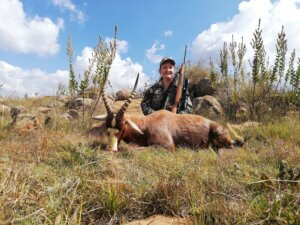
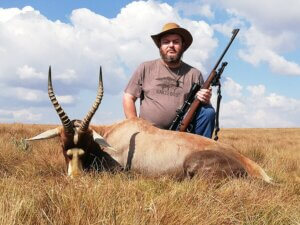
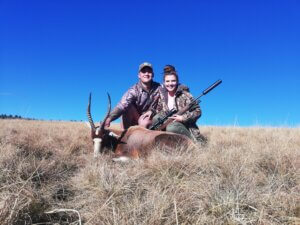
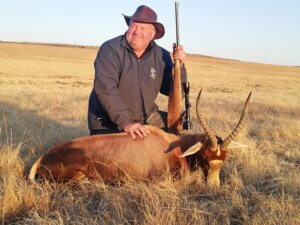
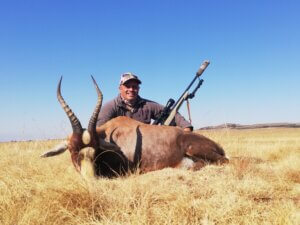
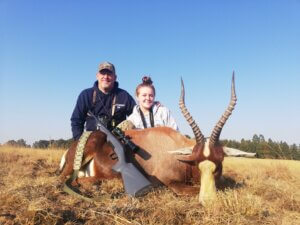
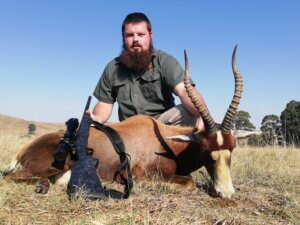
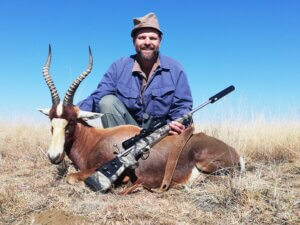
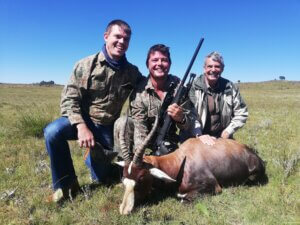
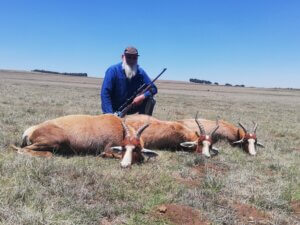
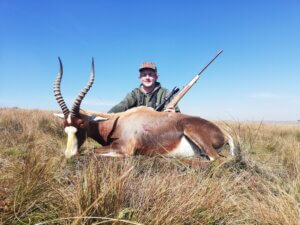
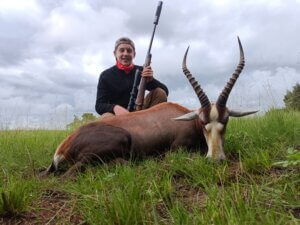
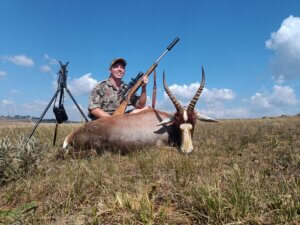
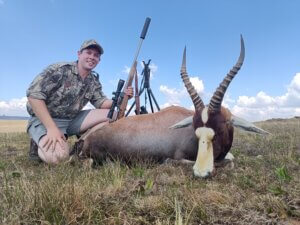
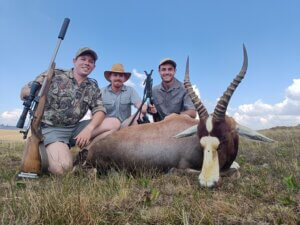
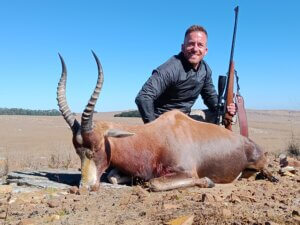
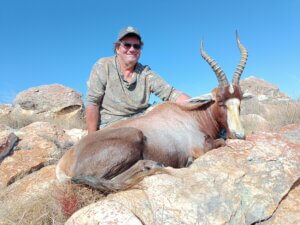
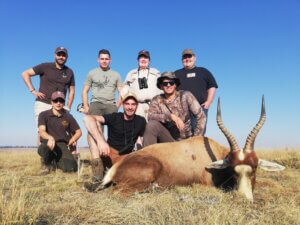
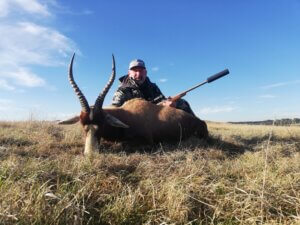
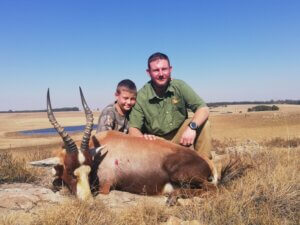
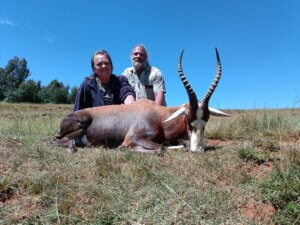
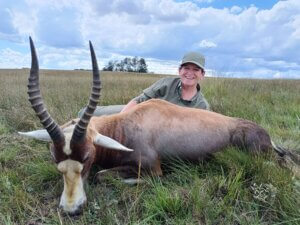
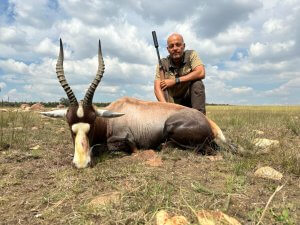
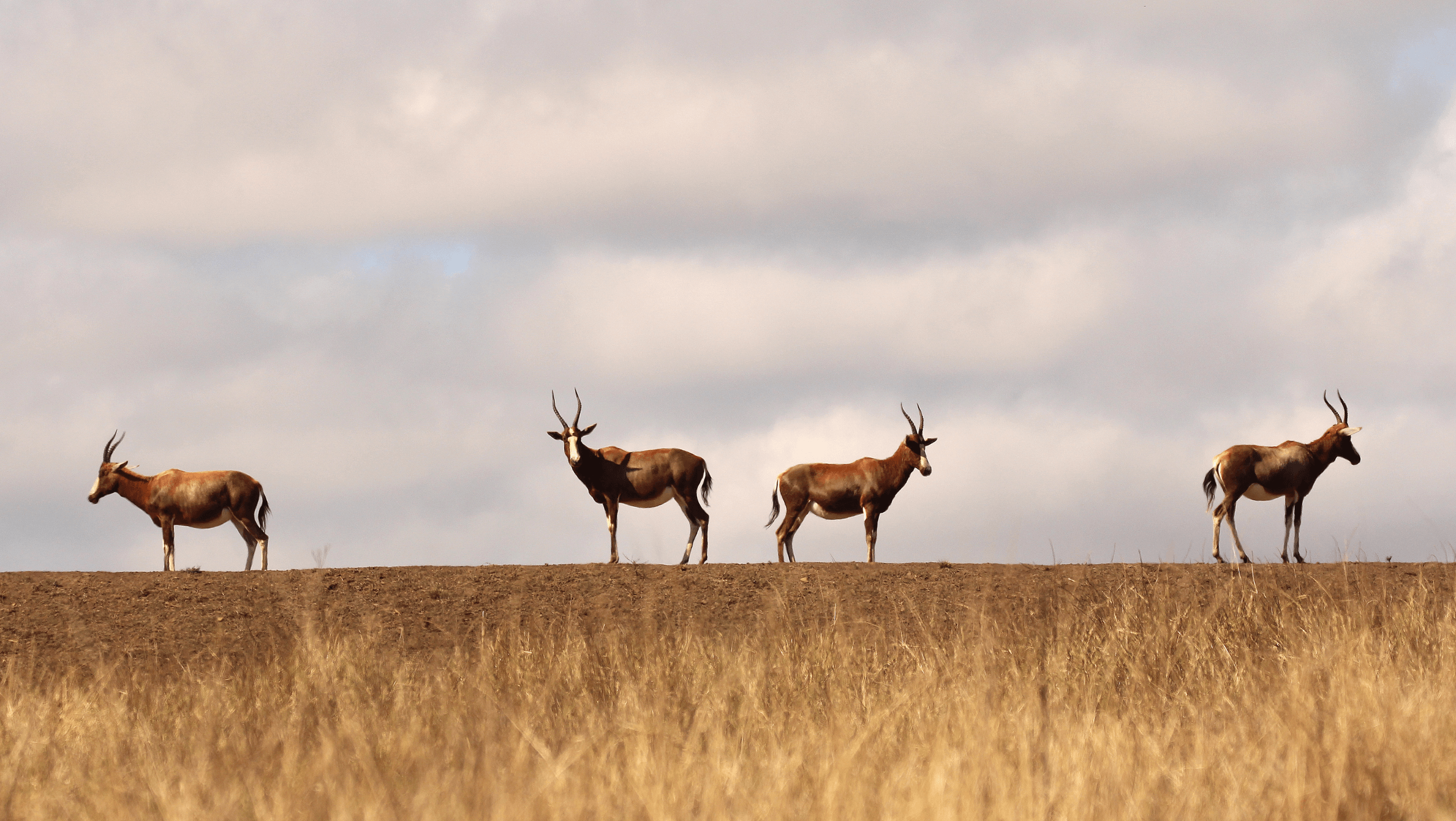
Physical Appearance: Blesbucks have a distinctive appearance characterized by their reddish-brown coat, which fades to a lighter tan color on the underparts. The most striking feature is a prominent white blaze on the face, extending from the forehead down to the muzzle, which gives them their name (“bles” means blaze in Afrikaans). This white blaze sharply contrasts with the dark brown stripe that runs horizontally across their eyes and nose.
Body Structure: They have a robust body with a slightly arched back, muscular shoulders, and a slender neck. Their legs are relatively long, aiding in their swift movements, especially when fleeing from predators.
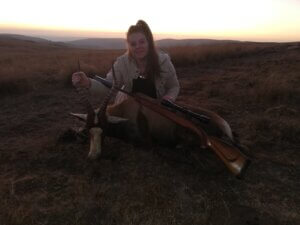
Horns: Both males and females possess horns, but those of males are typically thicker and longer, reaching lengths of up to 17-20 inches (43-50 centimeters). The horns are lyre-shaped, curving slightly backward and then upward, with a smooth texture.
Size: Blesbucks are medium-sized antelopes, with males (rams) being slightly larger than females (ewes). On average, they stand around 32 to 39 inches (80 to 100 centimeters) at the shoulder and can weigh between 110 to 150 pounds (50 to 70 kilograms).
Behavior: They are social animals, often found in herds ranging from a few individuals to larger groups. Blesbucks are grazers, primarily feeding on grasses and occasionally browsing on shrubs and herbs. Their habitat preference includes open grasslands and savannas.
Reproduction: Breeding can occur throughout the year, but peak mating season typically falls between March and May. Gestation lasts around 8 months, after which a single calf is born. Calves are typically hidden in vegetation for protection during their early days.
Conservation Status: Blesbucks were once heavily hunted and faced habitat loss, but conservation efforts have helped stabilize their populations. They are currently listed as of “Least Concern” on the IUCN Red List, thanks to conservation measures and protected areas throughout their range.