INFORMATION PURPOSES ONLY
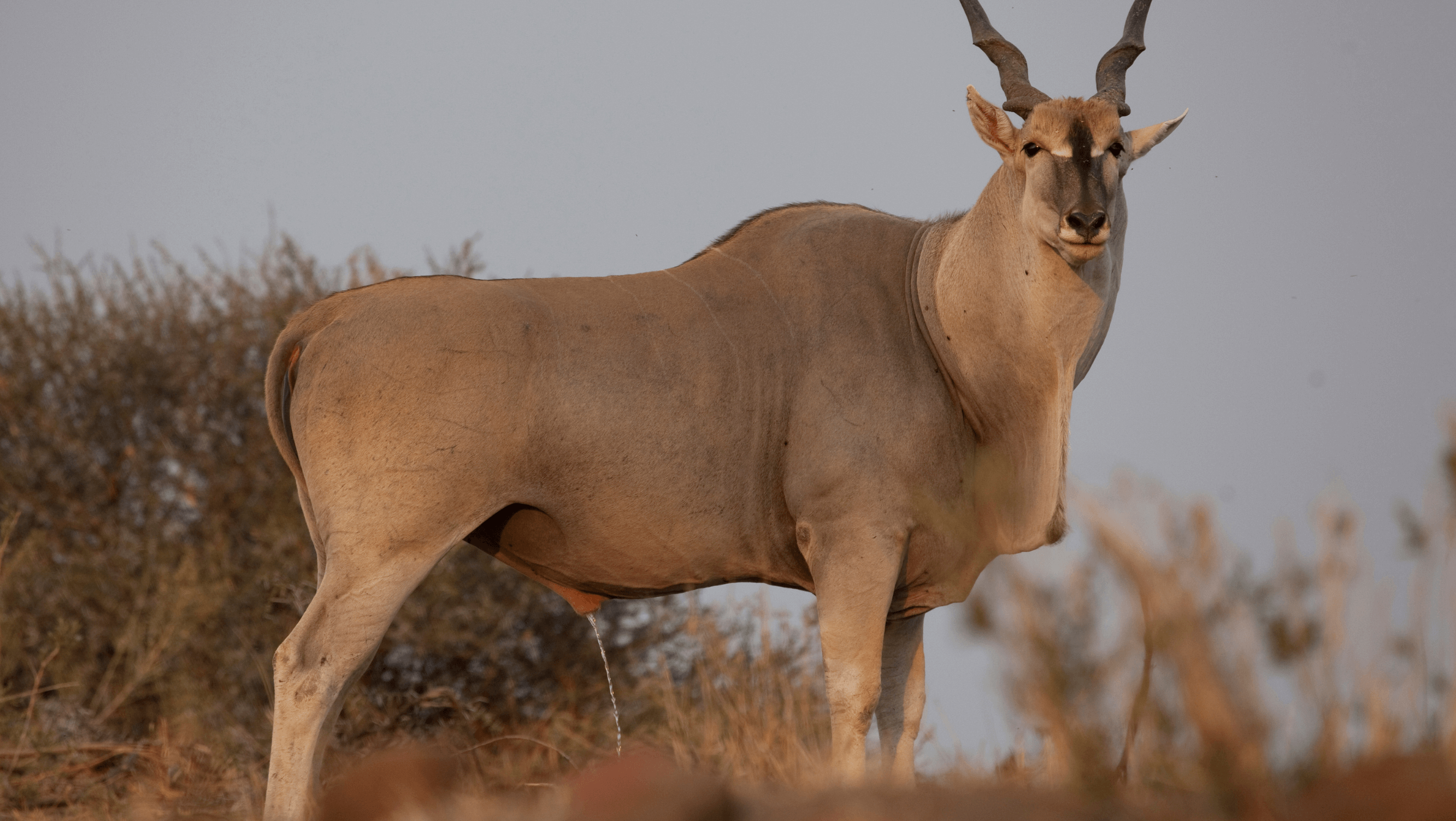
 NAME: ELAND CAPE
 SCIENTIFIC NAME: TRAGELAPHUS ORYX
 WEIGHT: 700KG (M) 460KG (F)
 LIFESPAN: 12 YEARS
 ENEMY: LION

NAME: ELAND CAPE
SCIENTIFIC NAME: TRAGELAPHUS ORYX
WEIGHT: 700KG (M) 460KG (F)
LIFESPAN: 12 YEARS
ENEMY: LION
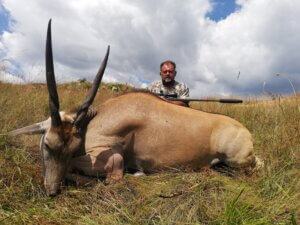
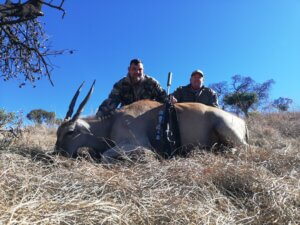
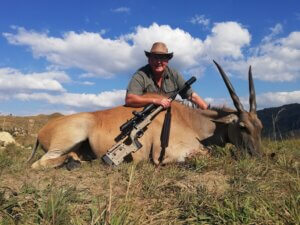
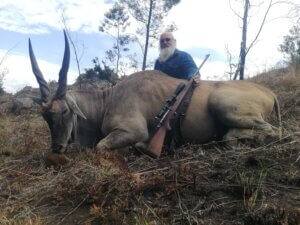
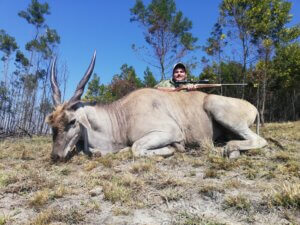
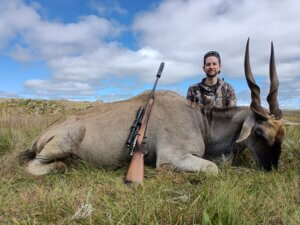
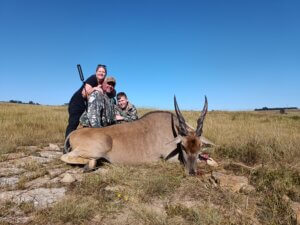
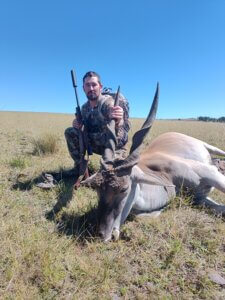
Appearance: Cape elands are the largest species of antelope, characterized by their robust build and long, spiral-shaped horns. They have a distinctive tan to reddish-brown coat with vertical white stripes on their sides, extending from the shoulders to the upper legs. Their underparts are usually lighter in color, ranging from cream to white. Cape elands have a dewlap, a loose fold of skin, hanging from their necks. Both males and females have horns, with those of males being thicker and longer.
Size: Cape elands are massive animals, typically standing around 1.5 to 1.8 meters (5 to 6 feet) tall at the shoulder. They can measure between 2.2 to 3.1 meters (7 to 10 feet) in length from the nose to the base of the tail. Adult males can weigh between 500 to 1,000 kilograms (1,100 to 2,200 pounds), while females are slightly smaller, weighing between 300 to 600 kilograms (660 to 1,320 pounds).
Habitat: Cape elands inhabit a variety of habitats, including savannas, grasslands, woodlands, and semi-desert areas throughout southern and eastern Africa. They are adaptable animals and can be found in both open and densely vegetated habitats, as long as there is access to water and sufficient forage.
Behavior: Cape elands are primarily diurnal, being most active during the early morning and late afternoon. They are social animals, typically forming herds consisting of females, juveniles, and young males. Mature males may form bachelor herds or be solitary. Cape elands are herbivores, feeding on a variety of grasses, herbs, shrubs, and leaves.
Communication: Cape elands communicate using a variety of vocalizations, body postures, and scent marking. They have specialized glands located on their foreheads and around their eyes, which they use to mark their territory and communicate with other individuals in the herd.
Reproduction: Breeding among Cape elands can occur throughout the year, although peak mating seasons may vary depending on the region. After a gestation period of around nine months, females give birth to a single calf, which is able to stand and walk shortly after birth. The calf is nursed by its mother and remains with the herd for protection and socialization.
.