INFORMATION PURPOSES ONLY
 NAME: FALLOW DEER
 SCIENTIFIC NAME: DAMA DAMA
 WEIGHT: 150KG (M) 90KG (F)
 LIFESPAN: 16 YEARS
 ENEMY: LION, LEOPARD, SPOTTED HYENA

NAME: FALLOW DEER
SCIENTIFIC NAME: DAMA DAMA
WEIGHT: 150KG (M) 90KG (F)
LIFESPAN: 16 YEARS
ENEMY: LION, LEOPARD, SPOTTED HYENA
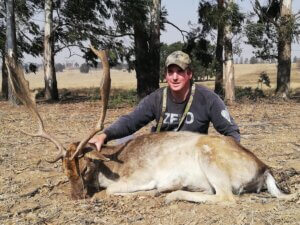
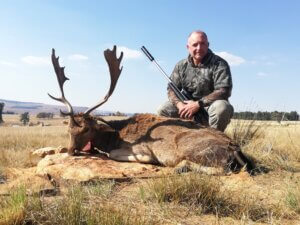
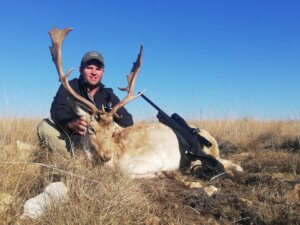
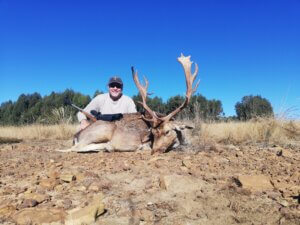
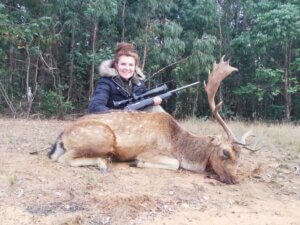
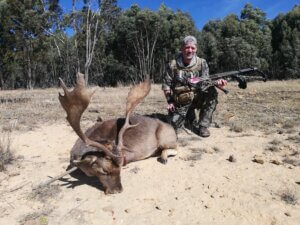
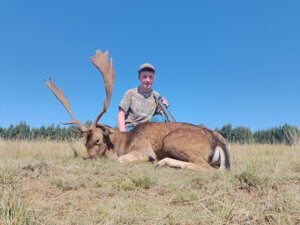
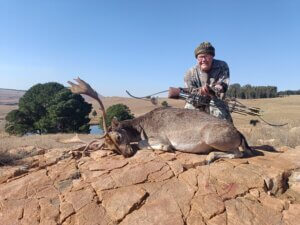
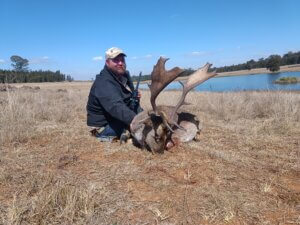
Appearance: Fallow deer have a distinctive appearance with a medium-sized body, slender legs, and a relatively long neck. Their coat varies in color depending on the subspecies and individual variation, but it typically ranges from reddish-brown to light brown, with white spots scattered across the back, sides, and flanks. During the summer months, their coat may appear lighter, while in winter, it tends to darken. Fallow deer have a white underside and a black dorsal stripe running along the back. Both males and females have antlers, although those of males, known as bucks, are typically larger and more branched than those of females, known as does.
Size: Fallow deer vary in size depending on the region and subspecies, but they typically stand around 80 to 110 centimeters (31 to 43 inches) tall at the shoulder. They can measure between 130 to 160 centimeters (51 to 63 inches) in length from the nose to the base of the tail. Adult males generally weigh between 60 to 100 kilograms (130 to 220 pounds), while females are slightly smaller, weighing between 30 to 60 kilograms (66 to 132 pounds).
Habitat: Fallow deer inhabit a variety of habitats, including woodlands, forests, grasslands, and open plains. They prefer areas with dense vegetation for cover and browse, as well as access to water sources such as rivers, streams, and ponds. Fallow deer are adaptable animals and can be found in both natural and human-altered landscapes.
Behavior: Fallow deer are primarily crepuscular, meaning they are most active during the early morning and late afternoon. They are social animals and typically live in small herds consisting of females and their offspring, known as harems. During the breeding season, which occurs in the fall, males establish territories and compete for access to females. Fallow deer are herbivores, feeding on a variety of vegetation including grasses, leaves, shoots, and fruits.
Communication: Fallow deer communicate with each other using a variety of vocalizations, body language, and scent marking. Males may engage in ritualized displays and vocalizations to attract mates and establish dominance within the herd. They also use their sense of smell to detect potential predators and communicate with other deer through scent marking.
Reproduction: Breeding among fallow deer typically occurs during the fall, with females giving birth to a single fawn after a gestation period of around 7 to 8 months. The fawn is born with a spotted coat, which helps camouflage it from predators in the forest understory. The mother cares for and protects the fawn until it is old enough to forage on its own and join the rest of the herd.