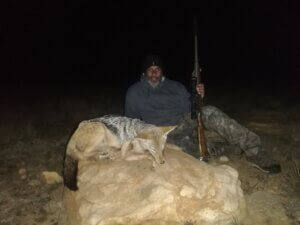
INFORMATION PURPOSES ONLY
 NAME: JACKAL BLACK BACK
 SCIENTIFIC NAME:CANIS MESOMELAS
 WEIGHT: 11.4KG (M) 10.0KG (F)
 LIFESPAN: 13 YEARS
 ENEMY: LEOPARD, LION

NAME: JACKAL BLACK BACK
SCIENTIFIC NAME:CANIS MESOMELAS
WEIGHT: 11.4KG (M) 10.0KG (F)
LIFESPAN: 13 YEARS
ENEMY: LEOPARD, LION
Appearance: As the name suggests, black-backed jackals have a distinctive black saddle-shaped patch on their backs, which contrasts with the rest of their reddish-brown or sandy-colored fur. They have a white or cream-colored underbelly, throat, and facial markings. Their ears are large and pointed, and their bushy tails are usually tipped with black. Black-backed jackals have a slender, agile build, with long legs and a relatively short muzzle.
Size: Black-backed jackals are smaller than their close relatives, the side-striped jackals, typically standing around 35 to 45 centimeters (14 to 18 inches) tall at the shoulder. They can measure between 75 to 85 centimeters (30 to 33 inches) in length, not including the tail, which adds an additional 25 to 35 centimeters (10 to 14 inches). On average, they weigh between 6 to 10 kilograms (13 to 22 pounds), with males being slightly larger than females.
Habitat: Black-backed jackals inhabit a variety of habitats across eastern and southern Africa, including savannas, grasslands, woodlands, scrublands, and semi-desert regions. They are adaptable animals and can thrive in both natural and human-altered landscapes, including agricultural areas and urban environments.
Behavior: Black-backed jackals are primarily nocturnal, being most active during the night when temperatures are cooler. They are highly adaptable and opportunistic feeders, hunting a variety of prey, including small mammals, birds, reptiles, and insects. They are also scavengers and will readily consume carrion and leftovers from other predators. Black-backed jackals are social animals and may live in small family groups consisting of a breeding pair and their offspring.
Diet: Black-backed jackals are omnivores, feeding on a variety of prey, carrion, fruits, berries, and other plant matter. They are skilled hunters and may hunt individually or in pairs, using stealth and teamwork to catch their prey. They are also adept at scavenging and will often follow larger predators, such as lions and hyenas, to scavenge from their kills.
Reproduction: Breeding among black-backed jackals typically occurs during the winter months, with peak mating seasons varying depending on geographical location. After a gestation period of around 60 to 70 days, females give birth to a litter of two to four pups, although larger litters of up to six pups have been recorded. The pups are born blind and helpless, and they are nursed by their mother for several weeks before being weaned onto solid food. Both parents participate in caring for and protecting the pups until they are old enough to fend for themselves.