INFORMATION PURPOSES ONLY
 NAME: LECHWE RED
 SCIENTIFIC NAME: KOBUS LECHE
 WEIGHT: 130KG (M) 97KG (F)
 LIFESPAN: 15 YEARS
 ENEMY: CHEETAH, LION

NAME: LECHWE RED
SCIENTIFIC NAME: KOBUS LECHE
WEIGHT: 130KG (M) 97KG (F)
LIFESPAN: 15 YEARS
ENEMY: CHEETAH, LION
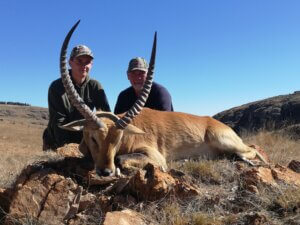
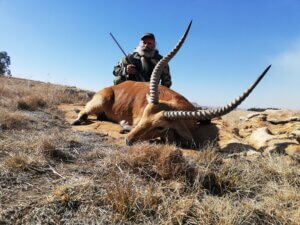
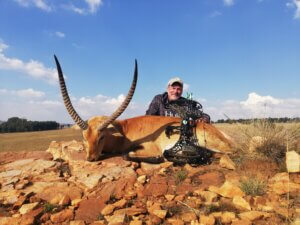
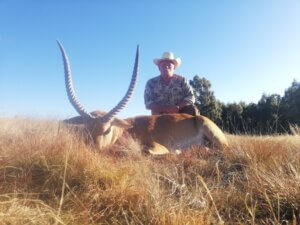
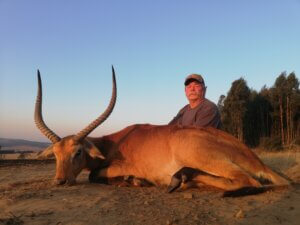
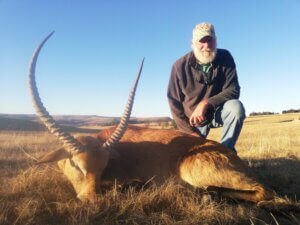
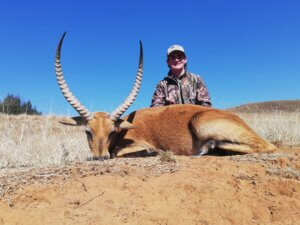
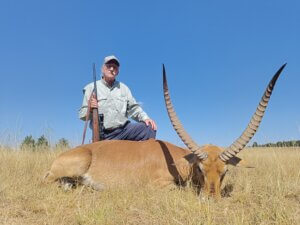
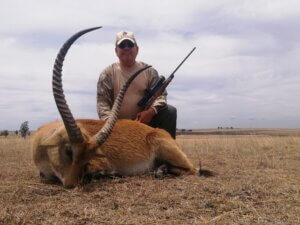
Appearance: Red lechwes have a distinctive reddish-brown to chestnut-colored coat that is well adapted to their aquatic habitat. They have a sleek, streamlined body with long legs and a slender neck, allowing them to move swiftly through water and dense vegetation. Both males and females have long, curved horns that sweep backward and slightly upward. Their hooves are elongated and splayed, providing traction and flotation in muddy terrain.
Size: Red lechwes are medium-sized antelopes, typically standing around 90 to 100 centimeters (35 to 39 inches) tall at the shoulder. They can measure between 140 to 160 centimeters (55 to 63 inches) in length from the nose to the base of the tail. On average, they weigh between 70 to 120 kilograms (154 to 265 pounds), with males being slightly larger and heavier than females.
Habitat: Red lechwes are specialized for life in wetland habitats such as floodplains, marshes, swamps, and riverine grasslands. They are particularly common in areas with seasonal flooding, where they can find ample food and shelter. Red lechwes are excellent swimmers and are well adapted to wading through shallow water and navigating dense vegetation.
Behavior: Red lechwes are highly adapted to their aquatic environment and are often found grazing in marshy areas or standing in shallow water. They are primarily diurnal, being most active during the early morning and late afternoon when temperatures are cooler. Red lechwes are social animals and may form herds consisting of multiple individuals, although they may also be solitary or form smaller groups depending on environmental conditions.
Diet: Red lechwes are herbivores, feeding primarily on a variety of grasses, sedges, and aquatic plants found in their wetland habitat. They are selective feeders and may favor certain plant species over others depending on availability and nutritional content. Red lechwes have specialized digestive systems that allow them to extract nutrients from fibrous plant material, enabling them to thrive in their marshy environment.
Reproduction: Breeding among red lechwes typically occurs during the dry season when water levels are lower. After a gestation period of around eight months, females give birth to a single calf, although twins are rare. The calf is able to stand and walk shortly after birth and will remain close to its mother for protection and guidance. Female red lechwes are attentive mothers and will nurse and care for their calves until they are old enough to fend for themselves.