INFORMATION PURPOSES ONLY
 NAME: ORIBI
 SCIENTIFIC NAME: OUREBIA OUREBI
 WEIGHT: 17KG (M) 20KG (F)
 LIFESPAN: 13 YEARS
 ENEMY: CHEETAH, LEOPARD, LION, CARACAL, WILD DOG

NAME: ORIBI
SCIENTIFIC NAME: OUREBIA OUREBI
WEIGHT: 17KG (M) 20KG (F)
LIFESPAN: 13 YEARS
ENEMY: CHEETAH, LEOPARD, LION, CARACAL, WILD DOG
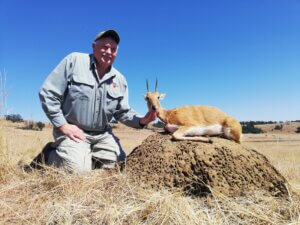
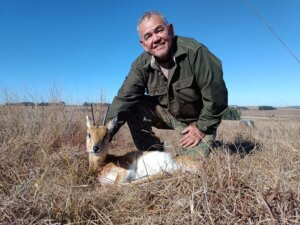
Appearance: Oribis have a slender and delicate build, with a sandy to reddish-brown coat that is marked with lighter patches on their undersides. They have a white ring around their eyes and a small black spot just below each ear. Oribis have long, slender legs and a short, bushy tail. Adult males and females look similar in appearance, although males typically have slightly longer horns than females. The horns are straight and slender, measuring around 15 to 20 centimeters (6 to 8 inches) in length.
Size: Oribis are small antelopes, with adults typically standing around 50 to 60 centimeters (20 to 24 inches) tall at the shoulder. They have a body length ranging from 90 to 110 centimeters (35 to 43 inches) and weigh between 12 to 22 kilograms (26 to 49 pounds). Females are generally smaller and lighter than males.
Habitat: Oribis inhabit a variety of grassland habitats, including savannas, open plains, and grassy marshes. They prefer areas with short grasses and scattered bushes or shrubs, which provide cover and concealment from predators. Oribis are also commonly found in areas with access to water sources such as rivers, streams, and seasonal ponds.
Behavior: Oribis are primarily diurnal, being most active during the early morning and late afternoon when temperatures are cooler. They are social animals and are often found in small groups consisting of a male, several females, and their offspring. Oribis are agile runners and can reach speeds of up to 55 kilometers per hour (34 miles per hour) when threatened. They use their keen senses of sight, hearing, and smell to detect potential dangers and evade predators.
Diet: Oribis are herbivores and primarily feed on a variety of grasses, herbs, and leaves. They are selective feeders and may favor certain plant species over others depending on availability and nutritional content. Oribis have specialized digestive systems that allow them to extract nutrients from tough, fibrous vegetation, enabling them to thrive in their grassland habitat.
Reproduction: Breeding among oribis typically occurs throughout the year, although peak mating seasons may vary depending on environmental conditions. After a gestation period of around six to seven months, females give birth to a single calf, although twins are possible but rare. The calf is able to stand and walk shortly after birth and will remain close to its mother for protection and nourishment during its early days. Female oribis are attentive mothers and will nurse and care for their offspring until they are old enough to fend for themselves.