INFORMATION PURPOSES ONLY
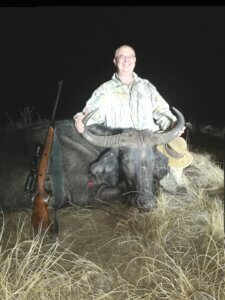
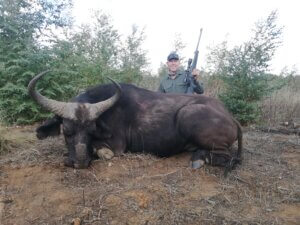
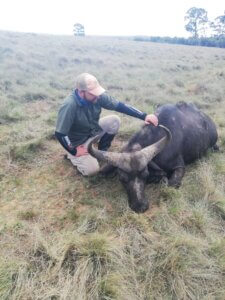
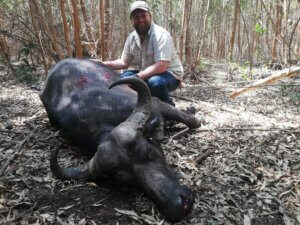
 NAME: BUFFALO
 SCIENTIFIC NAME: SYNCERUS CAFFER
 WEIGHT: 820KG (M) 750KG (F)
 LIFESPAN: 23 YEARS
 ENEMY: LION

NAME: BUFFALO
SCIENTIFIC NAME: SYNCERUS CAFFER
WEIGHT: 820KG (M) 750KG (F)
LIFESPAN: 23 YEARS
ENEMY: LION
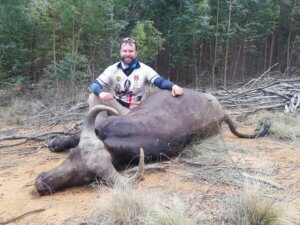
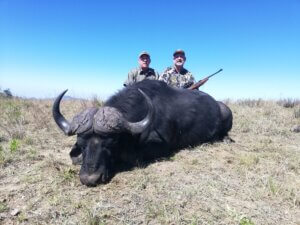
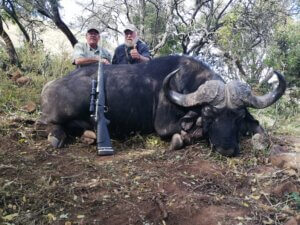
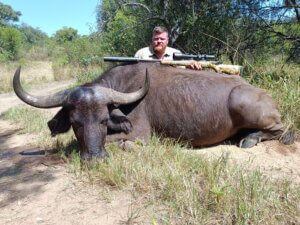
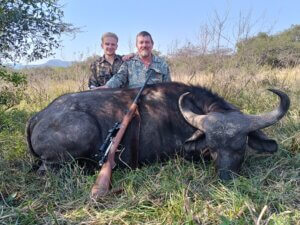
Appearance: African buffaloes are massive, muscular animals with a distinctively robust build. They have a dark brown to black coat that is usually sparse and coarse, with longer hair along the back and neck forming a rough mane. Both males and females have large, curved horns that sweep backward and then curve upwards. Their horns are fused at the base, forming a continuous shield called a “boss” that covers the forehead.
Size: Adult African buffaloes can stand up to 1.7 meters (5.5 feet) tall at the shoulder and can measure over 3 meters (10 feet) in length from the nose to the base of the tail. Males are generally larger and heavier than females, with males weighing between 500 to 900 kilograms (1,100 to 2,000 pounds) and females weighing slightly less.
Behavior: African buffaloes are highly social animals, typically forming large herds consisting of both males and females, as well as their offspring. These herds can range in size from a few dozen individuals to several hundred. They are known for their aggressive behavior, especially when threatened or when protecting their young. African buffaloes are considered one of the “Big Five” game animals due to their size, strength, and danger they pose to hunters.
Habitat: African buffaloes inhabit a variety of habitats, including grasslands, savannas, woodlands, and forests throughout sub-Saharan Africa. They require access to water and grazing areas and are often found near rivers, lakes, or other water sources.
Diet: As herbivores, African buffaloes primarily graze on grasses, but they also browse on shrubs and herbs, particularly during the dry season when grass may be scarce. Their diet is largely dependent on the availability of vegetation in their habitat.
Reproduction: Breeding among African buffaloes can occur throughout the year, but peak mating seasons vary depending on the region. After a gestation period of around 11 months, females give birth to a single calf, which is cared for and protected by the herd.
Conservation Status: African buffaloes are classified as “Least Concern” on the IUCN Red List, as they have relatively stable populations across their range. However, they face threats from habitat loss, human-wildlife conflict, and diseases such as bovine tuberculosis and corridor fever.