INFORMATION PURPOSES ONLY
 NAME: IMPALA
 SCIENTIFIC NAME: AEPYCEROS MELAMPUS MELAMPUS
 WEIGHT: 82KG (M) 52KG (F)
 LIFESPAN: 12 YEARS
 ENEMY:SPTTED HYENA, CHEETAH, LEOPARD, LION, WILD DOG, PYTHON

NAME: IMPALA
SCIENTIFIC NAME: AEPYCEROS MELAMPUS MELAMPUS
WEIGHT: 82KG (M) 52KG (F)
LIFESPAN: 12 YEARS
ENEMY:SPTTED HYENA, CHEETAH, LEOPARD, LION, WILD DOG, PYTHON
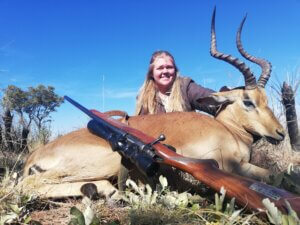
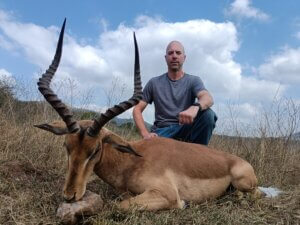
Appearance: Impalas have a sleek and graceful appearance with a slender body, long legs, and a slightly curved back. They have a short, glossy coat that varies in color from reddish-brown to tan, with lighter underparts. Impalas have distinct black markings on their face, including a dark stripe running from the forehead to the tip of the nose and dark patches on the ears and chin. Males, known as rams, have long, lyre-shaped horns that can reach lengths of up to 75 to 92 centimeters (30 to 36 inches), while females, known as ewes, lack horns.
Size: Impalas are medium-sized antelopes, typically standing around 75 to 95 centimeters (30 to 37 inches) tall at the shoulder. They can measure between 120 to 160 centimeters (47 to 63 inches) in length from the nose to the base of the tail. On average, they weigh between 40 to 75 kilograms (88 to 165 pounds), with males being slightly larger and heavier than females.
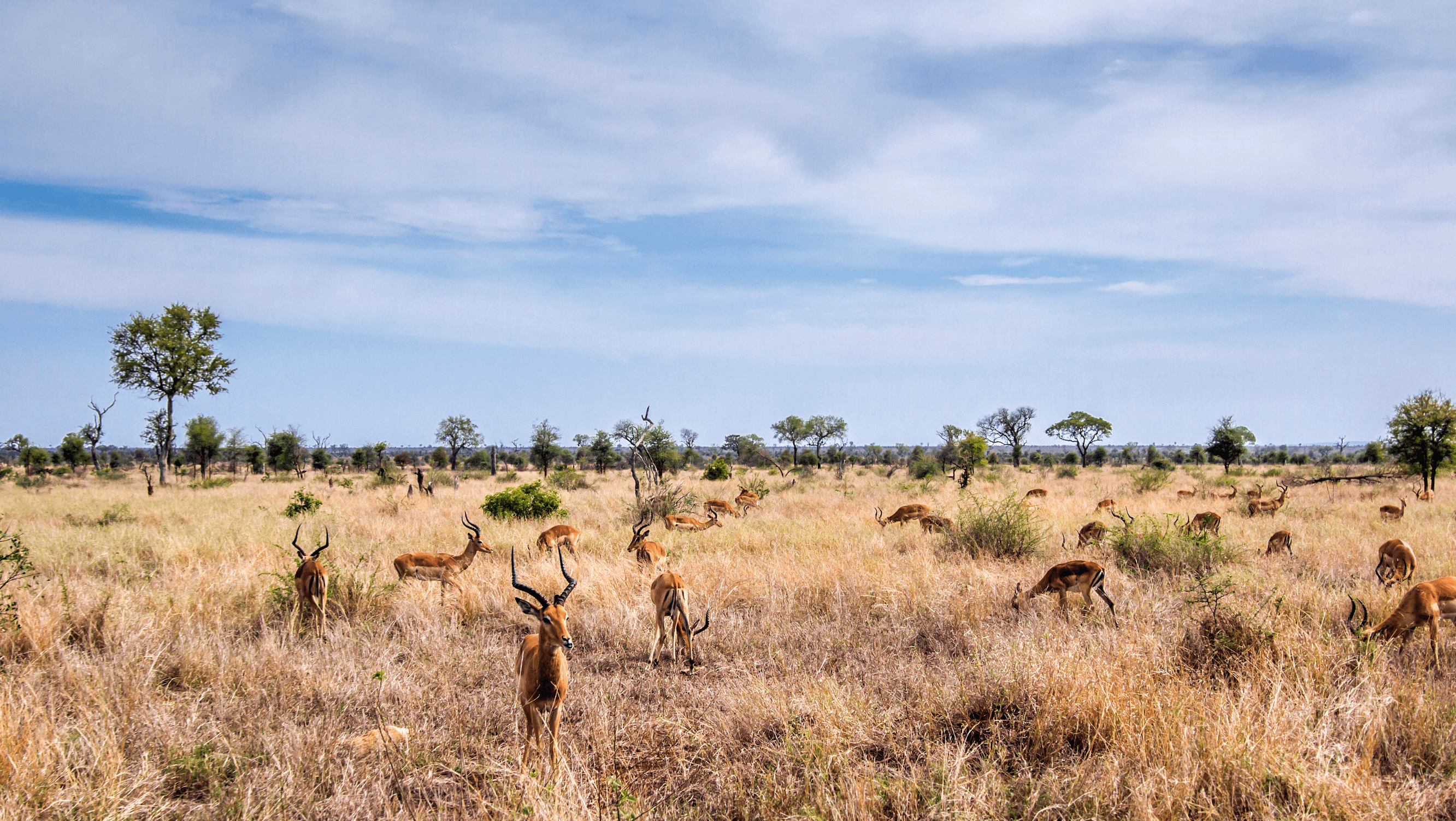
Habitat: Impalas inhabit a variety of habitats in sub-Saharan Africa, including savannas, woodlands, grasslands, and open plains. They are particularly common in areas with abundant vegetation and access to water sources such as rivers, streams, and waterholes. Impalas are highly adaptable and can thrive in both natural and human-altered landscapes.
Behavior: Impalas are diurnal animals, being most active during the early morning and late afternoon when temperatures are cooler. They are social animals and live in herds, known as “harem herds,” consisting of multiple females and their offspring, along with a dominant male. During the breeding season, which typically occurs in the late spring or early summer, dominant males compete for access to females through displays and sparring matches. Impalas are agile runners and can reach speeds of up to 80 kilometers per hour (50 miles per hour) when fleeing from predators.
Diet: Impalas are herbivores, feeding primarily on grasses, herbs, leaves, and shoots found in their habitat. They are selective grazers and may favor certain plant species over others depending on availability and nutritional content. Impalas have specialized digestive systems that allow them to extract nutrients from tough, fibrous vegetation, enabling them to survive in a variety of environments.
Reproduction: Breeding among impalas typically occurs throughout the year, although peak mating seasons may vary depending on environmental conditions. After a gestation period of around six to seven months, females give birth to a single offspring, known as a lamb. The lamb is able to stand and walk shortly after birth, and it remains close to its mother for protection and nourishment during its early days.